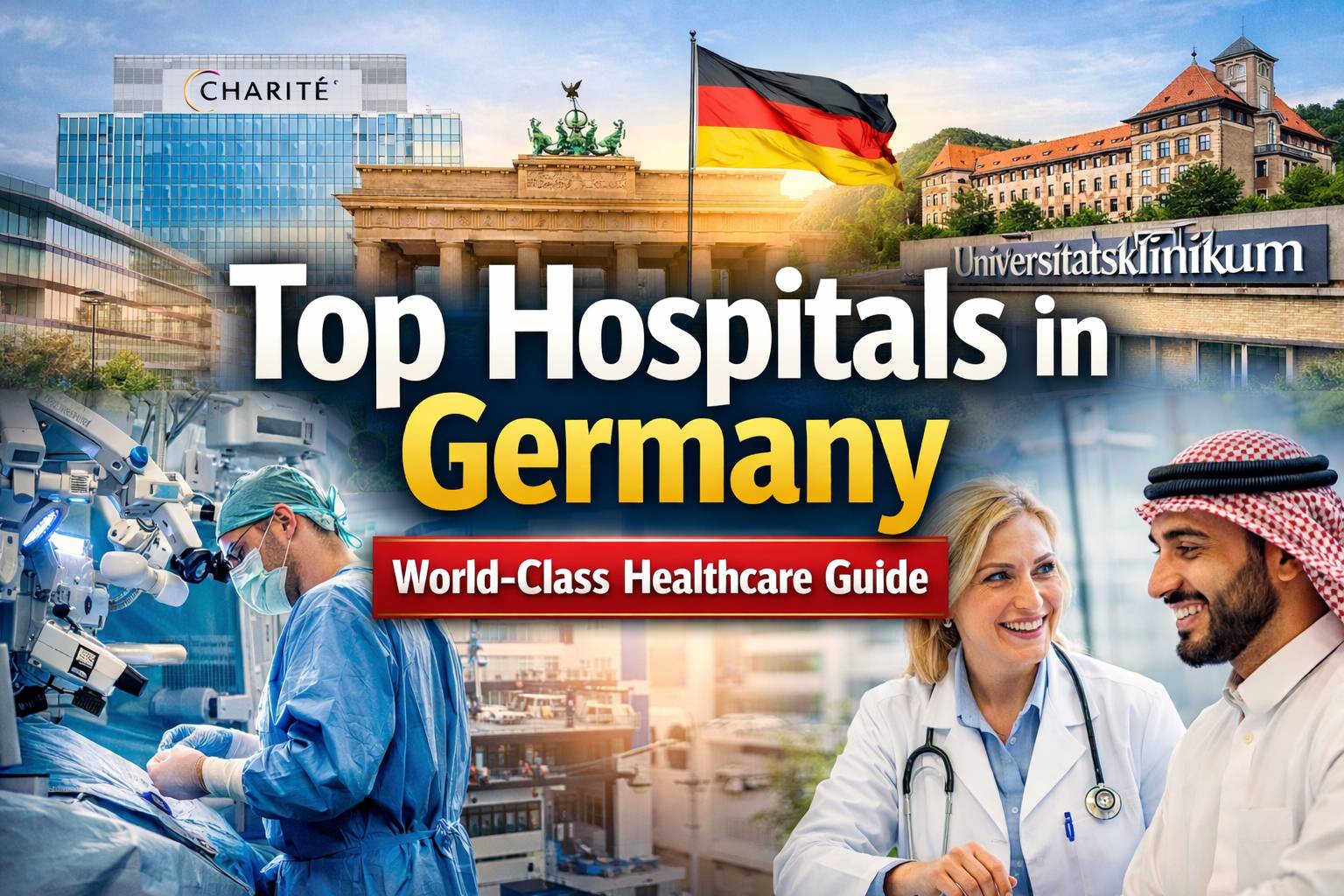
Germany is home to some of the most advanced hospitals in the world. Combining cutting-edge technology, internationally acclaimed doctors, and patient-focused care, German hospitals consistently rank among the best globally. Whether it’s complex surgeries, cancer treatments, or organ transplants, Germany attracts patients from every corner of the world seeking top-notch medical care.
In this guide, we will explore the top hospitals in Germany, their specialties, patient services, and why Germany has become a global hub for medical tourism.
Why Choose Germany for Medical Treatment?
Germany’s healthcare system is renowned for its efficiency, innovation, and reliability. Here are key reasons international patients choose Germany:
-
Highly Skilled Specialists
German doctors undergo rigorous training, often combining medical education with research and international experience. This ensures they are experts in advanced medical procedures. -
Advanced Technology
Hospitals in Germany use state-of-the-art diagnostic and treatment equipment, including robotic surgeries, AI-assisted imaging, and proton therapy. -
Comprehensive Patient Care
Hospitals focus on patient comfort, offering services like multilingual support, personal care coordinators, and customized treatment plans. -
Global Reputation
Many German hospitals rank consistently in global hospital rankings due to high success rates and innovative research. -
Medical Tourism-Friendly
International patients are welcomed with assistance in visas, accommodation, travel arrangements, and follow-up care.
Top Hospitals in Germany
Germany has hundreds of hospitals, but a few stand out due to their specialized care, international reputation, and research excellence.
1. Charité – Universitätsmedizin Berlin
Location: Berlin
Specialties: Oncology, Cardiology, Neurosurgery, Transplant Surgery
Charité Berlin is Europe’s largest university hospital and has been a pioneer in medical research and patient care for over 300 years. Its oncology and organ transplant programs are internationally acclaimed.
Key Features:
-
Personalized treatment plans for complex conditions
-
Advanced neurosurgery and cardiac care
-
Comprehensive services for international patients, including translators and patient coordinators
Charité is perfect for patients looking for innovative treatments backed by research, especially in cancer care and organ transplantation.
2. University Hospital Heidelberg
Location: Heidelberg
Specialties: Oncology, Immunology, Cardiology, Surgery
University Hospital Heidelberg is globally recognized for precision oncology and immunotherapy. It offers cutting-edge treatments for cancer, often involving the latest research in molecular medicine.
Key Features:
-
Minimally invasive surgery with robotic assistance
-
Integrated cancer care combining surgery, chemotherapy, and radiation
-
Multilingual international patient services
Heidelberg is ideal for patients seeking research-backed treatment options and holistic cancer care.
3. LMU Klinikum Munich (University Hospital Munich)
Location: Munich
Specialties: Cardiology, Neurosurgery, Orthopedics, Organ Transplantation
LMU Klinikum is one of Germany’s leading hospitals, known for its high success rates in complex surgeries. It integrates modern technology with compassionate care for patients.
Key Features:
-
Advanced cardiac surgery and organ transplantation programs
-
Robotic-assisted procedures for faster recovery
-
Multidisciplinary approach for complex medical cases
4. University Hospital Hamburg-Eppendorf (UKE)
Location: Hamburg
Specialties: Cardiology, Oncology, Pediatrics, Neurology
UKE combines medical excellence with patient-centered care. Its oncology and cardiology departments are especially renowned for their innovation.
Key Features:
-
Proton therapy and cutting-edge cancer treatment
-
Specialized pediatric and neonatal care
-
Multidisciplinary medical teams for holistic treatment
5. Klinikum rechts der Isar – Technical University of Munich
Location: Munich
Specialties: Cardiology, Neurology, Oncology, Emergency Medicine
This hospital is celebrated for its emergency care and surgical excellence. Patients from across Europe choose Klinikum rechts der Isar for complex heart and brain surgeries.
Key Features:
-
Robotic and minimally invasive surgeries
-
Advanced neurological treatments
-
International patient coordination for a smooth medical journey
6. University Hospital Freiburg
Location: Freiburg
Specialties: Oncology, Surgery, Gastroenterology, Neurology
University Hospital Freiburg is known for innovative cancer treatments and minimally invasive surgery. It combines research with clinical practice for exceptional results.
Key Features:
-
Cutting-edge immunotherapy and oncology research
-
Robotic-assisted surgeries
-
Dedicated international patient services
Specialized Treatments in Germany
Germany is particularly strong in the following fields:
1. Oncology
German hospitals lead in cancer research and treatment, offering immunotherapy, precision medicine, and clinical trials.
2. Cardiology
From heart transplants to minimally invasive procedures, Germany provides exceptional cardiac care.
3. Neurology & Neurosurgery
Hospitals offer treatment for stroke, Parkinson’s disease, brain tumors, and spinal conditions using advanced technology.
4. Orthopedics
Specialized joint replacement, spinal surgeries, and sports medicine ensure quick recovery and minimal risk.
5. Organ Transplantation
Germany has one of the highest success rates in Europe for liver, kidney, and heart transplants.
Why Germany is Perfect for Medical Tourism
Germany attracts thousands of medical tourists each year due to:
-
High-Quality Outcomes: German hospitals achieve excellent success rates.
-
Transparent Costs: Medical procedures are priced clearly, and international patients receive cost estimates upfront.
-
Safety and Hygiene: Hospitals strictly adhere to hygiene standards and patient safety protocols.
-
Post-Treatment Care: Comprehensive follow-up care ensures patients maintain their health after returning home.
Tips for Patients Seeking Treatment in Germany
-
Research Hospitals Carefully: Look for specialties, success rates, and patient reviews.
-
Contact International Departments: Ensure language support and customized care.
-
Prepare Medical Records: Accurate health history ensures the best treatment.
-
Plan Travel and Stay: Many hospitals assist with visas, accommodations, and transportation.
-
Understand Costs and Insurance: Some procedures are covered partially by international insurance.
FAQs About German Hospitals
Q1: Are German hospitals expensive?
A1: Costs are transparent. While advanced treatments can be expensive, international patients receive estimates upfront.
Q2: Do hospitals provide services for foreign patients?
A2: Yes, most top hospitals have international patient departments offering translation, travel, and personalized support.
Q3: How long is the recovery period?
A3: It depends on the procedure. Minimally invasive surgeries reduce recovery time significantly.
Q4: Do German hospitals offer telemedicine?
A4: Many hospitals provide remote consultations and follow-ups for international patients.
Conclusion
Germany’s hospitals represent the pinnacle of medical excellence. With their advanced technology, expert doctors, and patient-focused services, they offer world-class treatment in fields like oncology, cardiology, neurology, orthopedics, and organ transplantation.
Hospitals such as Charité Berlin, University Hospital Heidelberg, and LMU Klinikum Munich are not just medical centers—they are research hubs that combine innovation, expertise, and patient care. For international patients, Germany provides safety, reliability, and holistic treatment, making it a preferred destination for medical tourism.
Choosing a hospital in Germany means accessing cutting-edge treatments, highly skilled specialists, and an environment where health and well-being come first. Whether it’s for routine care or complex procedures, Germany stands as a global leader in healthcare.